ClearSkies™ AI-SecOps Autonomous Analysts
Every Tactic Triaged. Every Action Scoped.
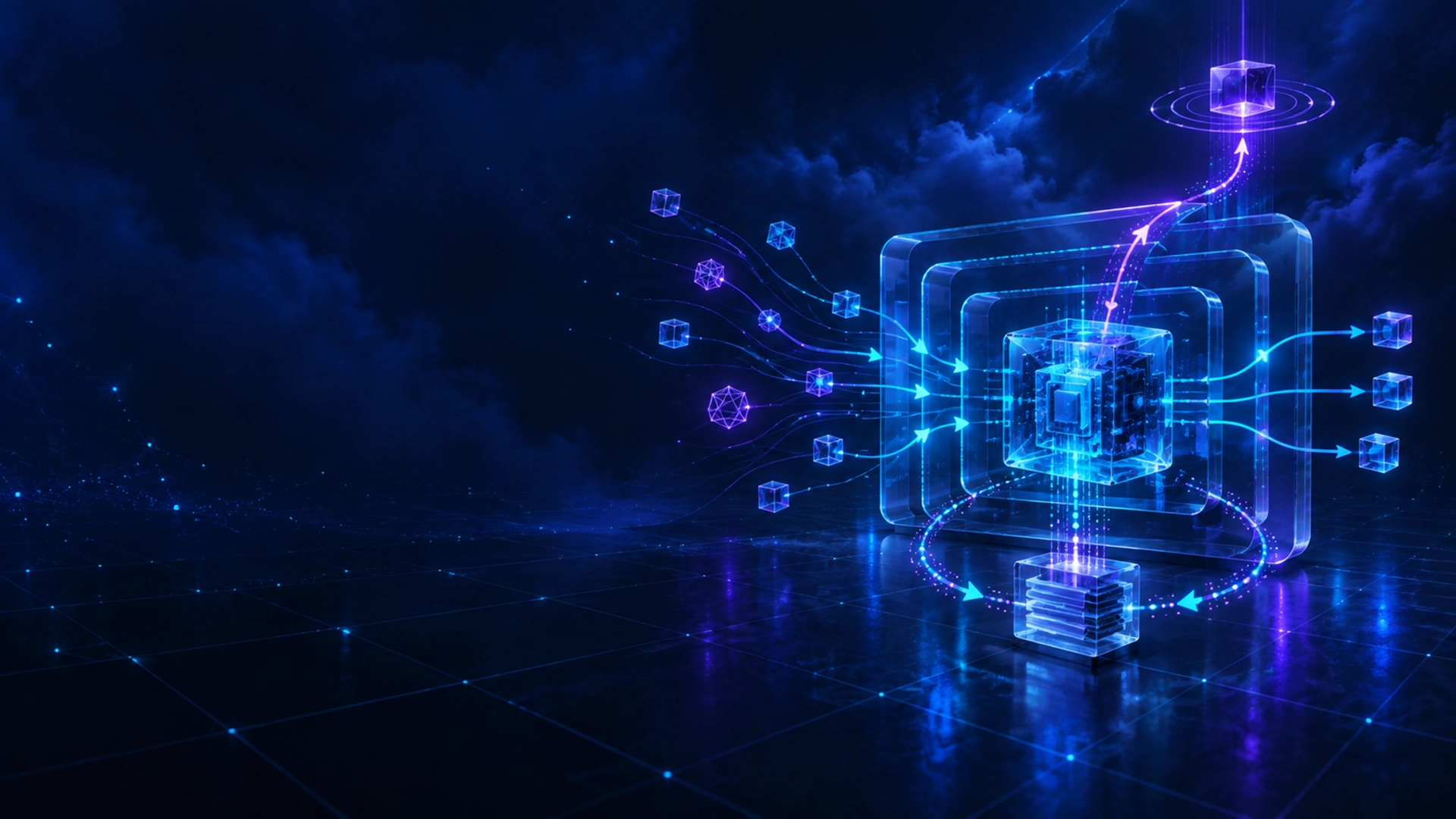
Every AI-SecOps Autonomous Analyst operates inside a policy-governed framework in which authority is explicit, actions are bounded and oversight is continuous.
Scoped
Authority defined per tenant, asset class and risk level
Auditable
Decisions, evidence and actions documented through the TDIR Engine
Supervised
Human control raised from execution to supervision
Governance and human oversight
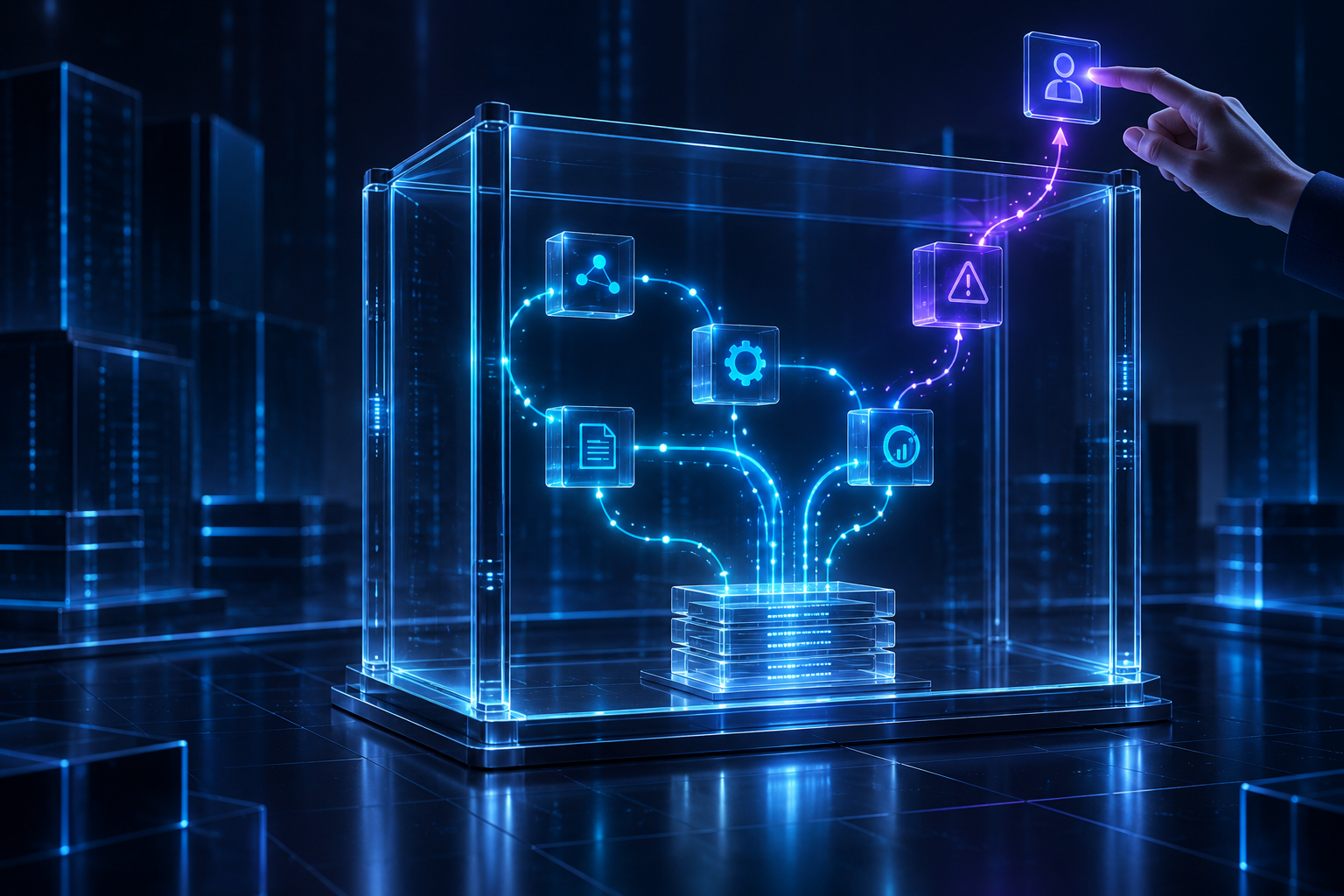
Human control is raised rather than removed, from manual execution to supervision, and every action is recorded through the TDIR Engine as a defensible audit trail.
Human analysts retain supervisory control with defined escalation paths.
Human and autonomous, side by side
What the human analysts keep, and what the workforce takes on.
| Dimension | Human analysts | The AI-SecOps Autonomous Analysts |
|---|---|---|
| Focus | High-risk, complex and novel cases, and customer advisory | Routine and low to medium risk detections, at volume |
| Availability | Shift-based, finite capacity | Continuous and elastic, on demand |
| Role in service commitments | Own critical and escalated cases | Enforce commitments across the queue |
| Learning | Provide feedback and set boundaries | Improve continuously from outcomes and feedback |
| Control | Supervise, override and govern | Act within the authorized, policy-governed scope |
How the role deepens
The role of the workforce deepens as an organization moves along the autonomy curve, mirroring the platform’s progression from an augmented to an autonomous security operation.
The phase in force is a configuration decision, made per tenant.
Augmented
They summarize, enrich, recommend and draft, while analysts decide and act.
Hybrid
They act with human approval, performing semi-automated remediation and guided containment under supervision.
Autonomous
They act independently within scope, enforcing service commitments and executing response, escalating only exceptions and high-risk cases.
What the AI-SecOps Autonomous Analysts do not do
- 01
They never act on another product’s raw intelligence: every signal reaches them as a correlated detection from the TDIR Engine, and every action they take flows back through it.
- 02
A case that exceeds its autonomy threshold is escalated to the right human analyst, with the full context attached, before the commitment is at risk.
- 03
The AI-SecOps Autonomous Analysts are part of the platform and are not sold on their own; they are licensed by the volume of protected work.
How the exchange with the TDIR Engine works · Commercial and licensing
Autonomy without governance is a liability.
Authority is explicit, actions are bounded, and oversight is continuous. Human control is raised rather than removed, from manual execution to supervision.
Request a Demo